Formal Letter Templates and Examples
A formal letter puts something on the record. When you dispute a charge, cancel a contract, accept a job, or document a decision at work, the letter is the paper trail, and its format signals that you know the rules. The guides here cover block, modified-block, and semi-block layout, then give you a complete letter for each situation you can copy and adapt.
Guides, Templates & Examples
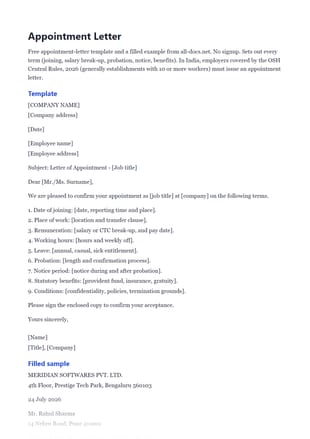 Appointment Letter: Format, Sample, and Free TemplateFree .docx
How to write an appointment letter: the clauses to include, an India-ready sample, and a free .docx, now mandatory under India's labour codes.
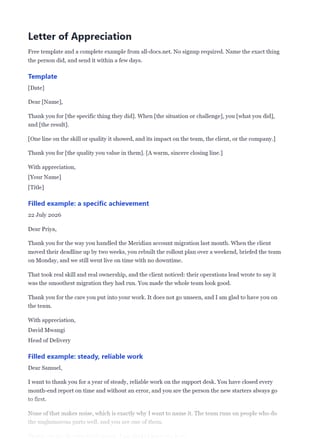 Appreciation Letter: Examples and Free TemplateFree .docx
Write a letter of appreciation that lands: name the exact thing the person did, and send it fast. Free template, a complete example, and a .docx download.
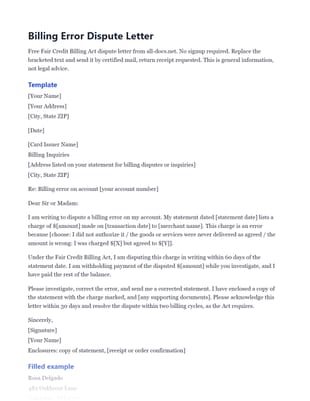 Billing Error Dispute Letter (FCBA) + TemplateFree .docx
Dispute a wrong or unauthorized credit card charge with a free Fair Credit Billing Act letter. Template, filled example, and .docx download, no signup.
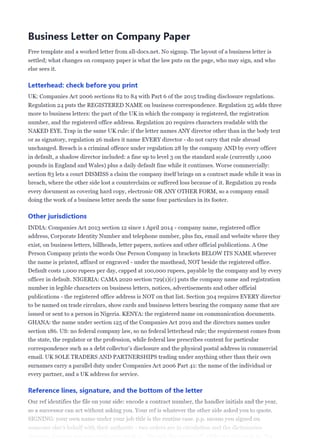 Business Letter Format: What Company Paper Must CarryFree .docx
Business letter format beyond the layout: the details the law puts on your letterhead, reference lines, who may sign, enclosures and cc, plus a free .docx.
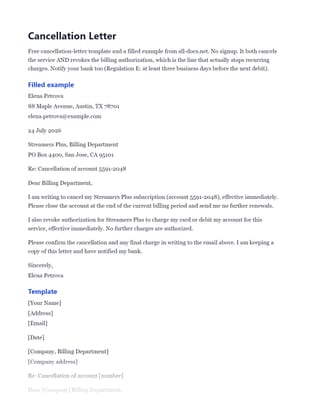 Cancellation Letter: How to Stop the Charges + TemplateFree .docx
How to write a cancellation letter that stops the charges: cancel the service, revoke the billing authorization, keep proof, plus a free .docx.
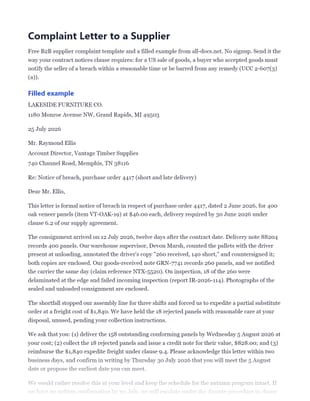 Complaint Letter to a Supplier (B2B): Template + ExampleFree .docx
How to write a complaint letter to a supplier: the notice that protects your remedies, what to demand under the contract, a full example, and a free .docx.
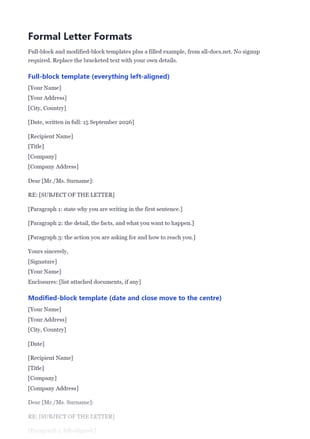 Formal Letter Format: Block, Modified, Semi-BlockFree .docx
The three formal letter formats explained with examples: full block, modified block, and semi-block. Free .docx templates, no signup, ready to edit.
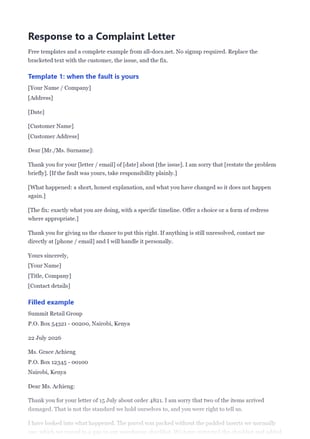 How to Respond to a Complaint Letter + ExampleFree .docx
Reply to a customer complaint the right way: acknowledge, apologize, fix it on a clear timeline. Free response letter template and .docx, no signup.
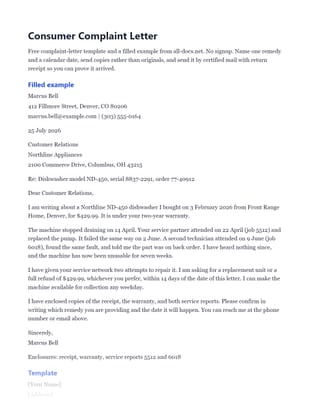 How to Write a Complaint Letter That Gets a ResultFree .docx
How to write a complaint letter: what to include, what to ask for, a full example, a free .docx, and where to escalate when the company ignores you.
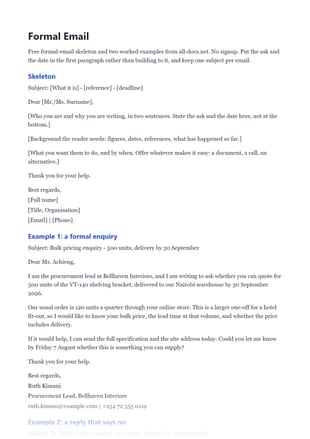 How to Write a Formal Email: Examples and TemplatesFree .docx
How to write a formal email: subject lines, salutations and sign-offs by register, worked examples, Cc and reply-all rules, and a free .docx template.
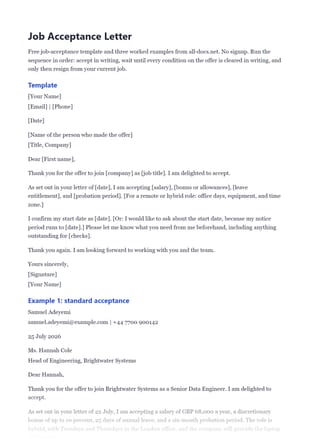 Job Acceptance Letter: Template, Examples, and TimingFree .docx
How to accept a job offer in writing: what to restate, how to handle a conditional offer, when to resign, three examples, and a free .docx template.
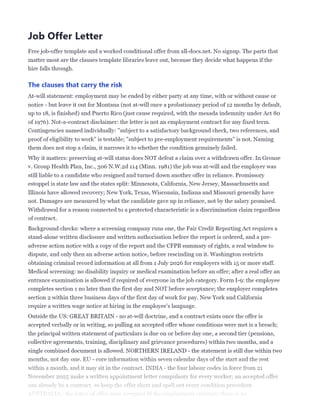 Job Offer Letter: Format, Example, and the ClausesFree .docx
How to write a job offer letter: the clauses that decide whether you can withdraw it, a full example, an acceptance deadline, and a free .docx.
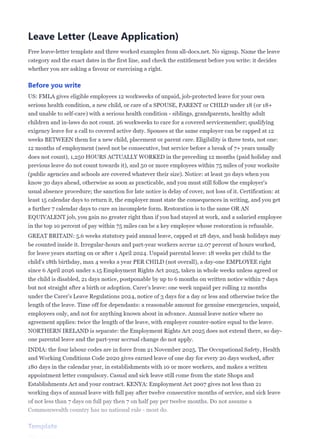 Leave Letter and Application: Format, Templates, NoticeFree .docx
How to write a leave letter or leave application: what you are entitled to, how much notice to give, three worked examples, and a free .docx template.
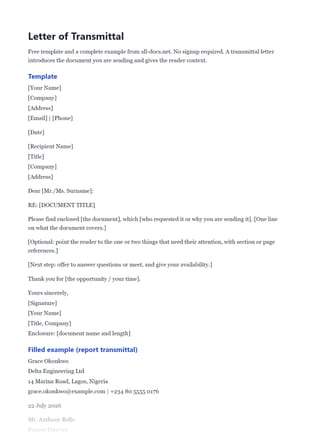 Letter of Transmittal: Example and Free TemplateFree .docx
What a letter of transmittal is, when you need one, and how to write it, with a complete report example and a free .docx template. No signup.
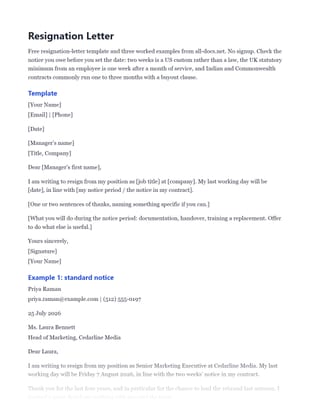 Resignation Letter: Template, Examples, and Notice RulesFree .docx
How to write a resignation letter, the notice you owe in the US, UK, India and Australia, three worked examples, and a free .docx. No signup.
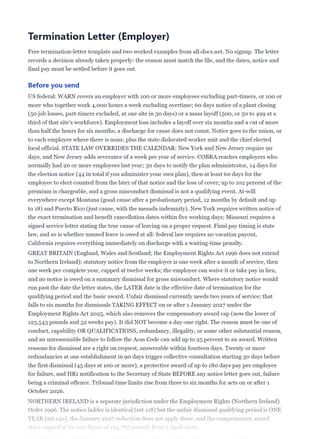 Termination Letter: Template, Examples, and the RulesFree .docx
How to write a termination letter: what must be settled before you send it, US and UK notice rules, two worked examples, and a free .docx template.
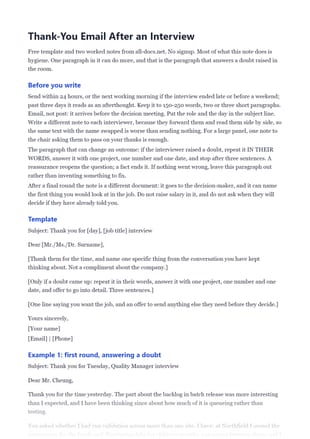 Thank-You Email After an Interview: Format, Timing, ExamplesFree .docx
How to write a thank-you email after an interview: the 24-hour window, how to answer a doubt raised in the room, two worked examples, and a free .docx.


More about Formal Letters
Email replaced most correspondence, but a printed, signed letter still carries weight where it counts: legal notices, formal complaints, bank and immigration records, and HR files. Each guide tells you when an email is fine and when the moment calls for a letter on paper with a signature, so you are not mailing something that should have been an email or emailing something that needed a signature.
Consumer letters win when they cite the right rule. A billing-error letter that names the Fair Credit Billing Act and its 60-day dispute window gets a different response than a vague complaint. A cancellation letter that references the FTC click-to-cancel rule or a cooling-off period tells the company you know your rights. Start with the billing error letter, the complaint letter, or the cancellation letter.
On the employment side, an appointment letter and a job acceptance letter confirm the terms of a new role, a termination letter documents the end of one, and a thank-you letter after an interview keeps you in the running. For the layout underneath all of them, read the formal letter formats guide.
Each guide gives you two things a search snippet cannot: a blank template and a filled-in example side by side, so you see the format and the finished letter at once. Where a letter follows country-specific rules, the guide says so. An appointment letter in India or Nigeria lists terms a US offer letter leaves out; a Kenyan employment letter names statutory details a US template skips. The examples match the country you are writing in, because a letter in the wrong register marks you as an outsider to the reader who has to act on it.
Every template is free to copy, and rebuilt pages carry a correctly formatted .docx download with no signup. Open the file, fill in your details, and send a letter that looks like it was written by someone who knew the format. That format is what tells a busy reader to take you seriously before they reach your first sentence.
Frequently asked questions
What is the correct format for a formal letter?
Put your address and the date at the top, then the recipient address, a salutation with a colon, the body, and a formal close. Block format left-aligns everything; modified block indents the date and close. The formats guide shows all three with examples.
When should I send a printed letter instead of an email?
Use a printed, signed letter for legal notices, formal complaints that may escalate, bank and immigration records, and anything you may need to prove you sent. Email is fine for routine business correspondence and quick confirmations.
How do I write a letter to dispute a billing error?
State the account, the specific charge, and why it is wrong, and cite the Fair Credit Billing Act, which gives you 60 days to dispute in writing. Send it to the address the company lists for billing disputes, not the payment address. See the billing error letter guide.
What should a job acceptance letter include?
Confirm the role, the start date, and the salary or terms as you understood them, and thank the employer. Putting the terms in writing protects both sides. See the acceptance letter guide.